Why Garage Door Balance Affects Your Opener, Cables and Everyday Reliability
Why Garage Door Balance Affects Your Opener, Cables and Everyday Reliability
Garage door balance decides how hard your opener and cables work, because the springs should carry the door’s weight. When that balance slips, every other part starts lifting weight it was never meant to carry.
Most people only notice once the motor groans or the door jerks on its way up. At Control Room, we see the same story: a small imbalance ignored for months, then a snapped cable on a Monday morning.
Garage door imbalance tends to creep up gradually, and what you can spot from the driveway rarely tells the full story. The test below will reveal far more than a quick visual check ever could. We’ll walk you through exactly how to carry it out.
An Unbalanced Garage Door Makes Your Opener Work Overtime
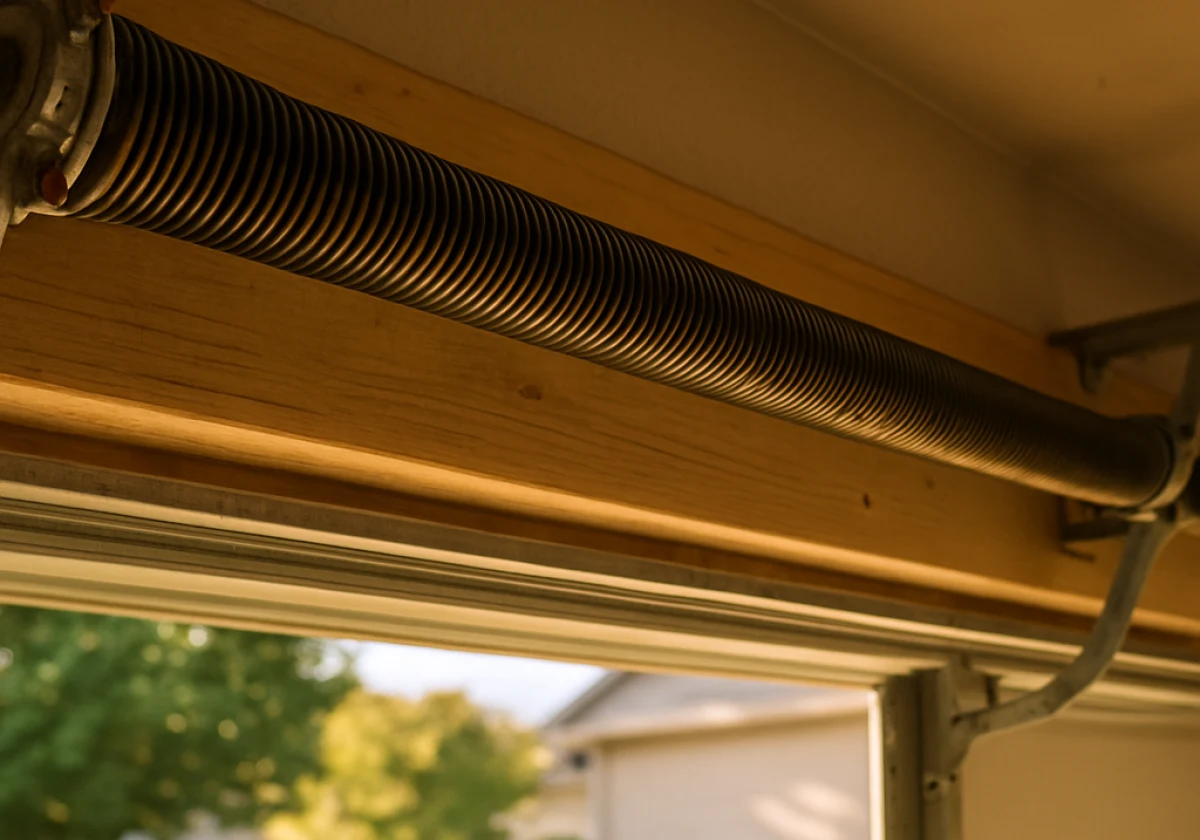
Your garage door opener is built to guide the door, not lift its full weight. Once the garage door springs stop carrying their share, that small motor absorbs a load the manufacturer never rated it to handle.
Three parts of the system feel the strain first, so let’s take them one at a time.
How Torsion Springs and Spring Tension Carry the Weight
Torsion springs sit on a shaft above the opening and unwind as the door rises, which eventually releases stored energy that offsets the panel weight. This is how torsion or extension springs balance the door with no help from the motor.
After thousands of cycles, that stored energy stops matching the door, so the motor quietly covers the difference. We’ve tested doors pulling almost double their rated force for exactly this reason (the motor rarely lasts another year).
This imbalance is not limited to one spring type. Torsion and extension designs both fade with age, and one tired extension spring will wear its partner out early, and it ultimately results in the door sitting crooked in the opening.
What Uneven Load Does to Garage Door Cables
Those garage door cables pick up whatever the springs can’t hold, and each one is only a few millimetres of braided steel.
When one side of the door sits lower than the other, uneven spring tension loads a single garage door cable until it frays strand by strand near the bottom bracket.
From there, the drum throws the slack off its groove, and the door drops hard on one corner. In our repair work, frayed cables trace back to balance far more often than to age.
Why Panel Lift Garage Doors Feel It First
Panel lift garage doors hinge across four or five sections, so any imbalance twists those panels against each other as they curve into the tracks.
The twisting chews through rollers and hinges and creates alignment issues you will hear as a bang or a scrape around head height. Honestly, that noise is the most common reason people ring us (and the cheapest fault to fix early).
Tilt doors hide the same problem for longer because they swing as one slab, which is why panel lift owners spot trouble first.
How Do You Do a Garage Door Balance Test?
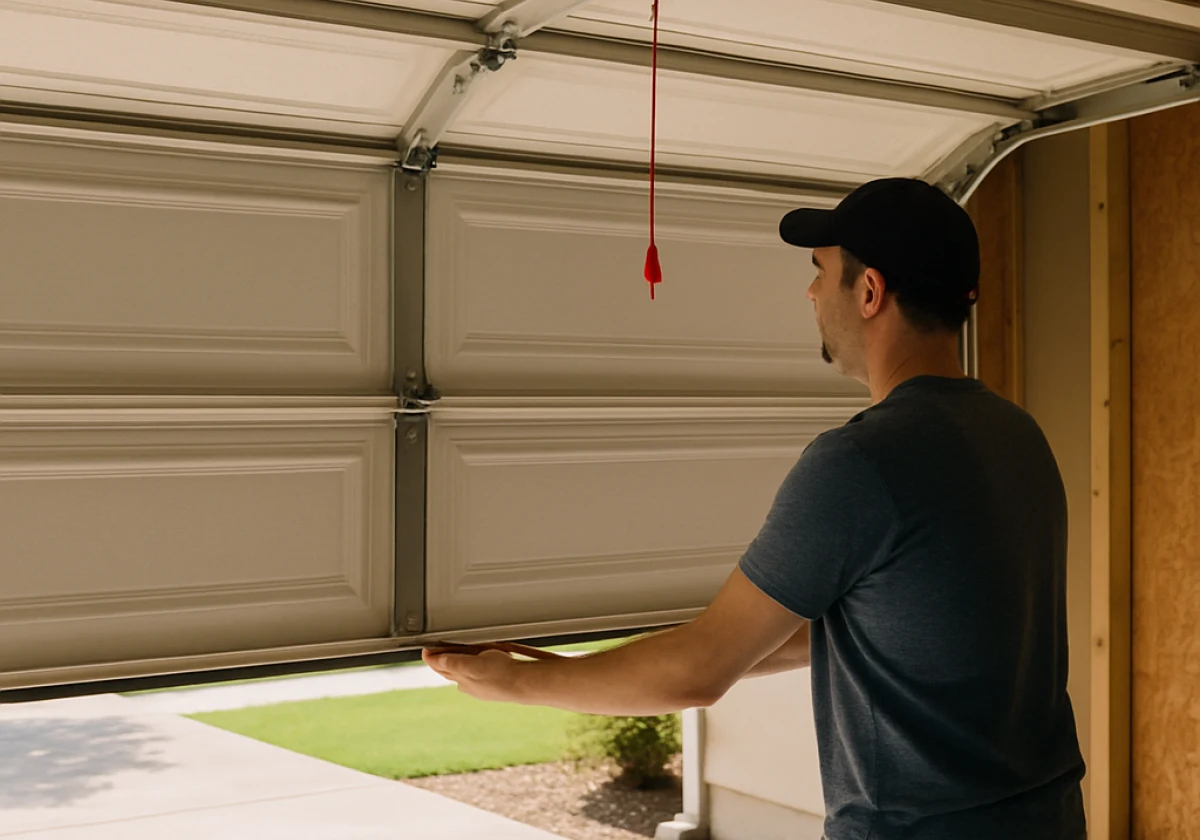
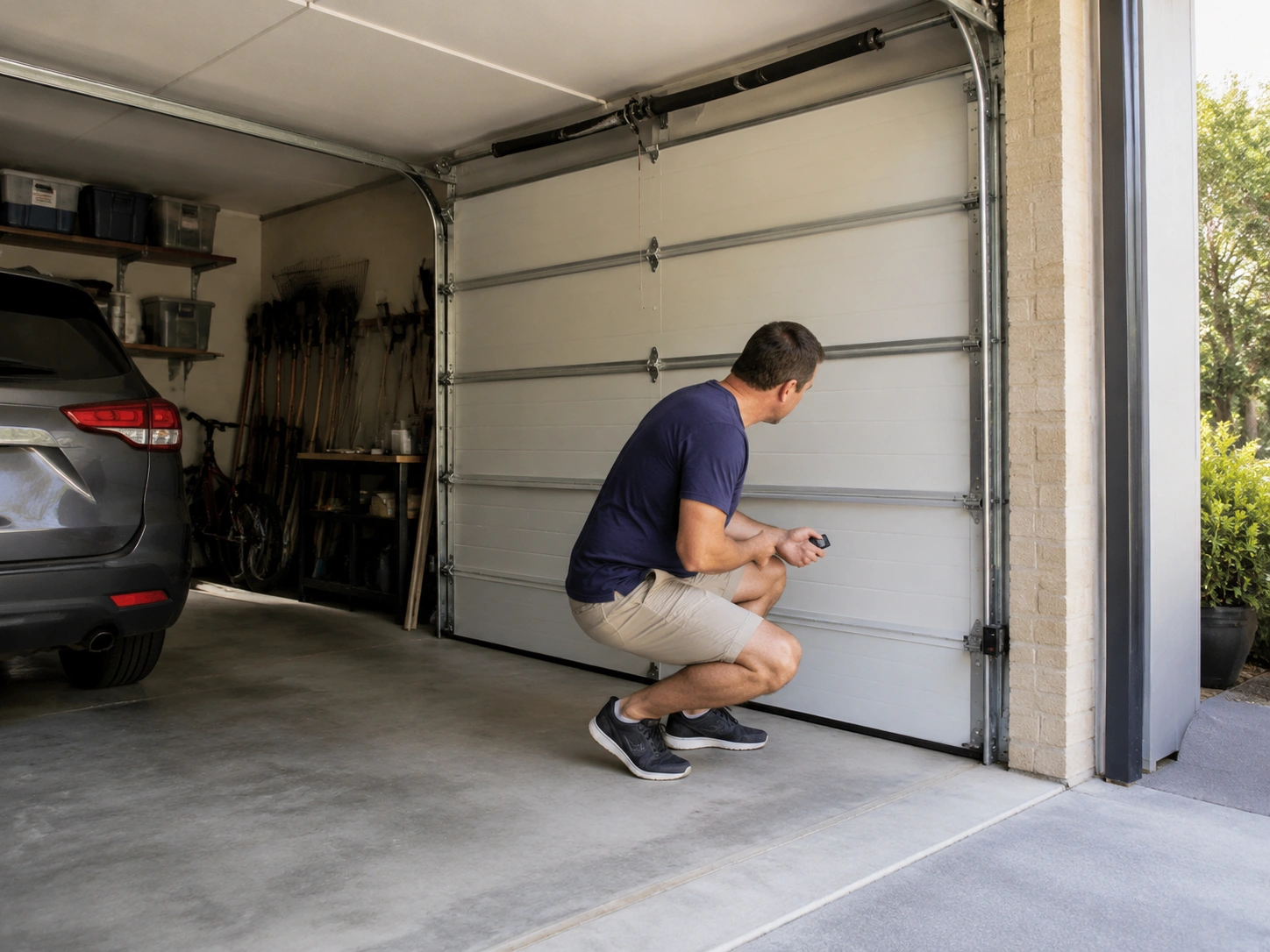
You test garage door balance by pulling the release cord and lifting the door halfway to see if it stays. The whole check takes about a minute and needs no tools.
Work through these five steps in order, and stop if anything feels heavy or grabs.
- Disconnect the opener: Pull the red emergency release cord so the motor lets go completely.
- Lift the door by hand: Steady pressure should raise it smoothly, without you straining through the first half metre.
- Stop at halfway: Around waist height, let go slowly and keep both hands close in case it moves.
- Watch for drift: Sinking or creeping upward means the springs have stopped doing their job.
- Reconnect and book repairs if it fails: Slide the trolley back onto the carriage, then arrange repairs instead of touching the springs.
Verdict: A perfectly balanced door stays exactly where you leave it, every single time. Run this check monthly, and you’ll catch faults while they’re still cheap.
Spotting the Signs Your Garage Doors Are Out of Balance
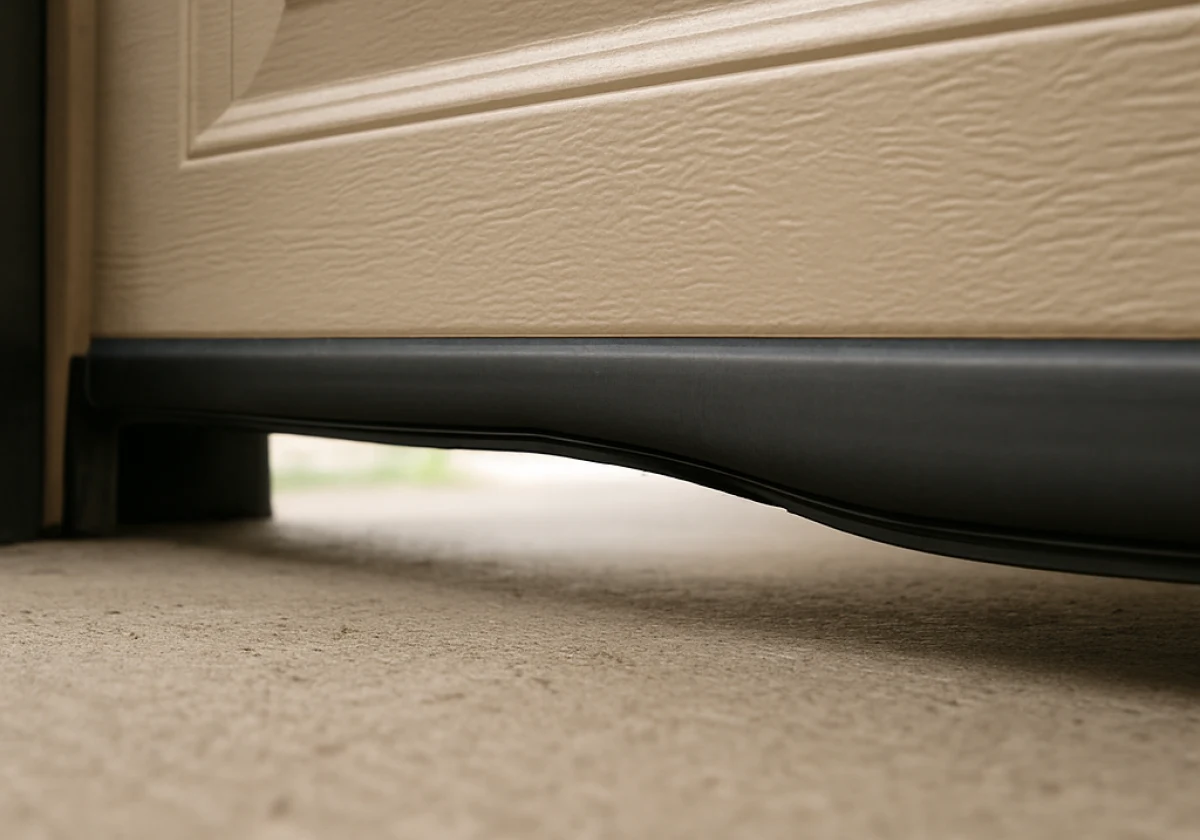
An unbalanced door rarely announces itself. Balance problems show up in how the door moves rather than in anything obvious on the panels, which is why so many people live with one for years.
When the balance is off, the gap along the bottom gives it away first, since a door is out of balance when it meets the floor higher on one side. Next, watch the speed. Healthy doors travel at one steady pace without racing through the final stretch.
Any door that slams shut has lost its spring support entirely, and that’s a genuine hazard around kids or pets. The US Consumer Product Safety Commission has linked 54 child deaths since 1982 to entrapment under automatic garage doors, so keep everyone clear until a technician checks it.
Your opener tells you plenty too. Straining, stopping short, or reversing halfway means the motor has hit its force limit rather than met an obstruction. Left alone, that burns out the drive gears within months and turns a small job into garage door opener repair.
Simple Tips: Garage Door Maintenance That Protects the Balance
Four maintenance habits keep the balance right for years. None take longer than ten minutes, and three of them cost you nothing at all.
| Maintenance task | How often | What it protects |
|---|---|---|
| Quick balance test | Monthly | Springs, cables and opener motor |
| Lubricating rollers and hinges | Every 3 months | Smooth, quiet travel through the tracks |
| Checking cables for fraying | Every 3 months | Cables, drums and safe lifting |
| Professional garage door spring tension service | Yearly | Even load across both springs |
Tip: Write the date down each time, because a door failing twice in one year needs new springs rather than another tweak.
Garage door spring adjustment is never a weekend project. Leave it to a technician, who will adjust the spring tension with winding bars under load that can cause serious injury if a bar slips.
Book a Garage Door Repair Before a Small Problem Grows
A door that fails the halfway test today will cost you a motor or a cable tomorrow, and balance sits at the centre of everything your system does. Every extra week of strain shortens the life of parts that should last a decade.
Book the check while the door still moves under its own springs, rather than waiting for the morning it refuses to lift. 20 minutes of attention now saves you a replacement you never planned for.
Control Room handles panel-lift garage door repairs, garage door installation, and emergency garage door repair right across the Goldfields. Contact us for a free quote on a properly balanced door.

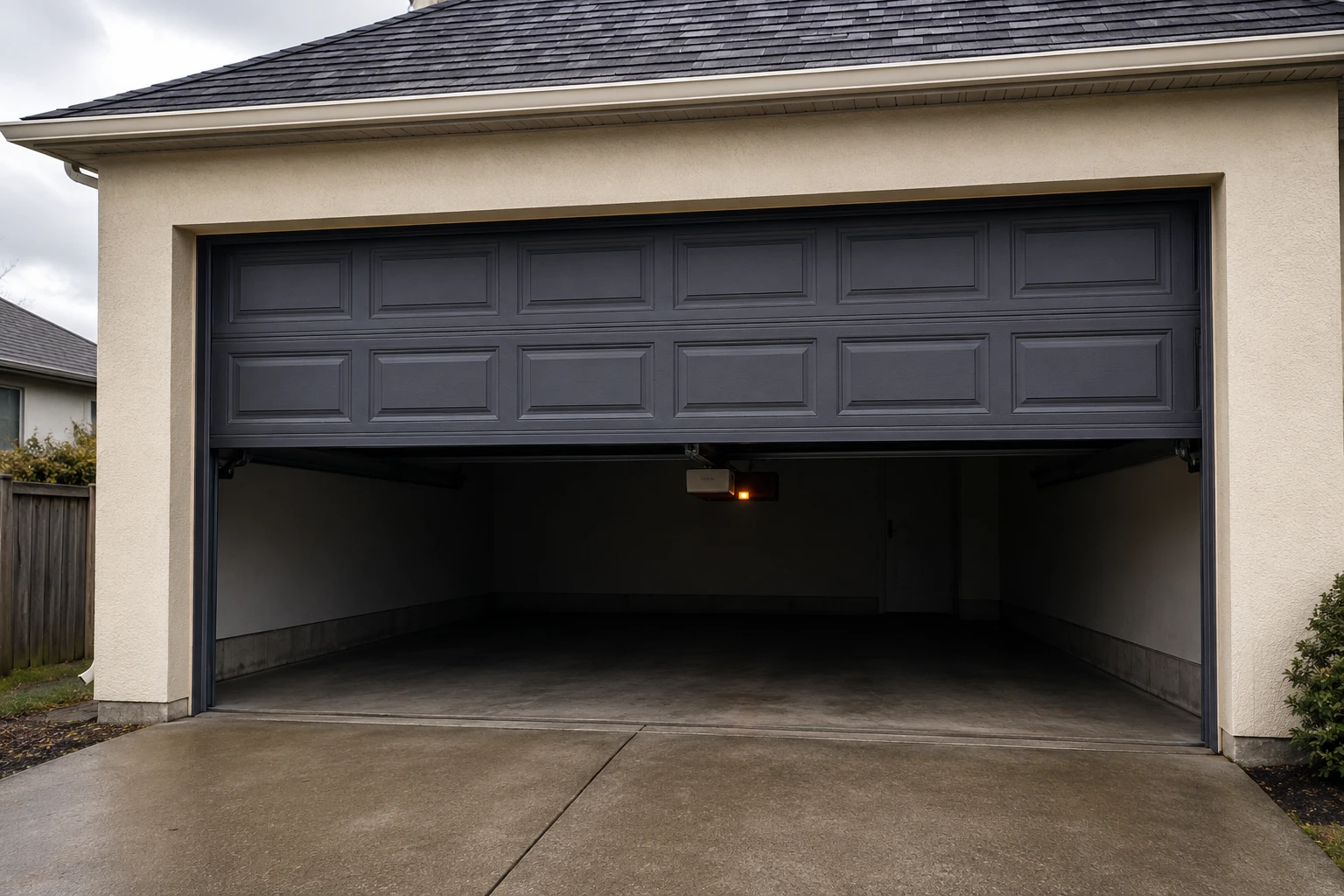
Why Does My Garage Door Stop Halfway? 7 Places to Look for the Problem
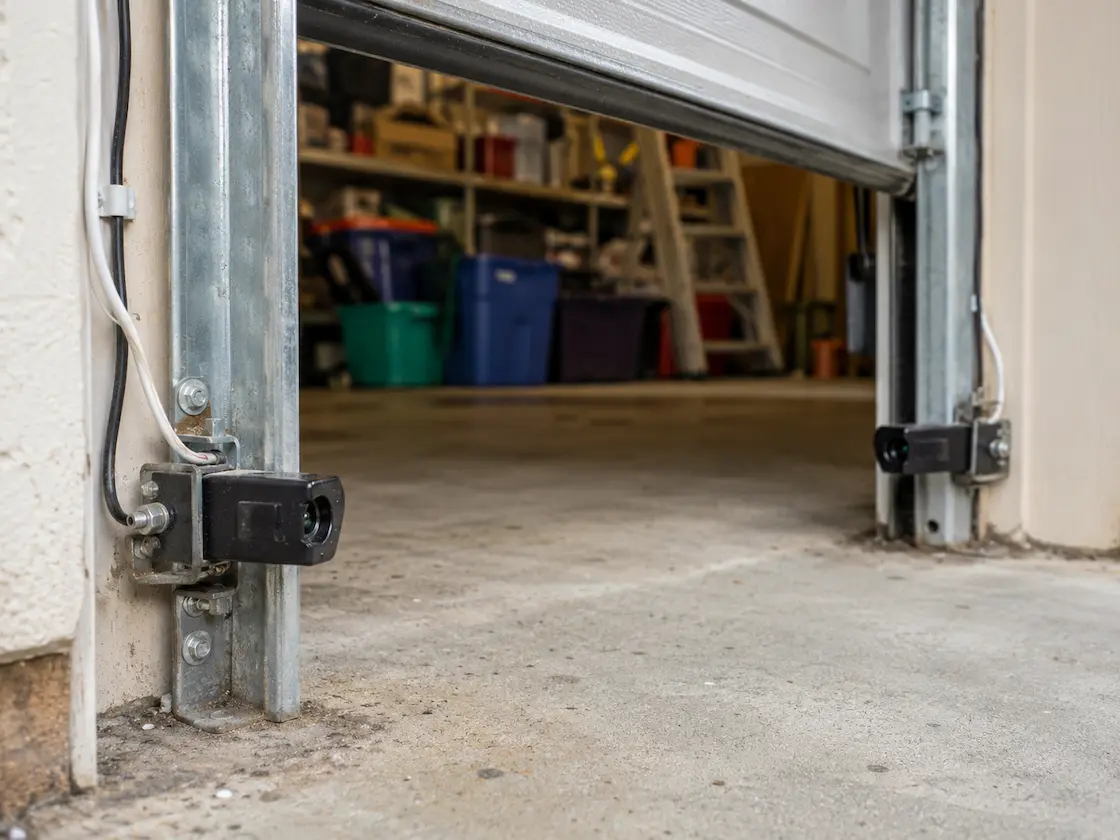
Why Garage Door Photo-Eye Sensors Fail Even When Nothing Is Blocking Them
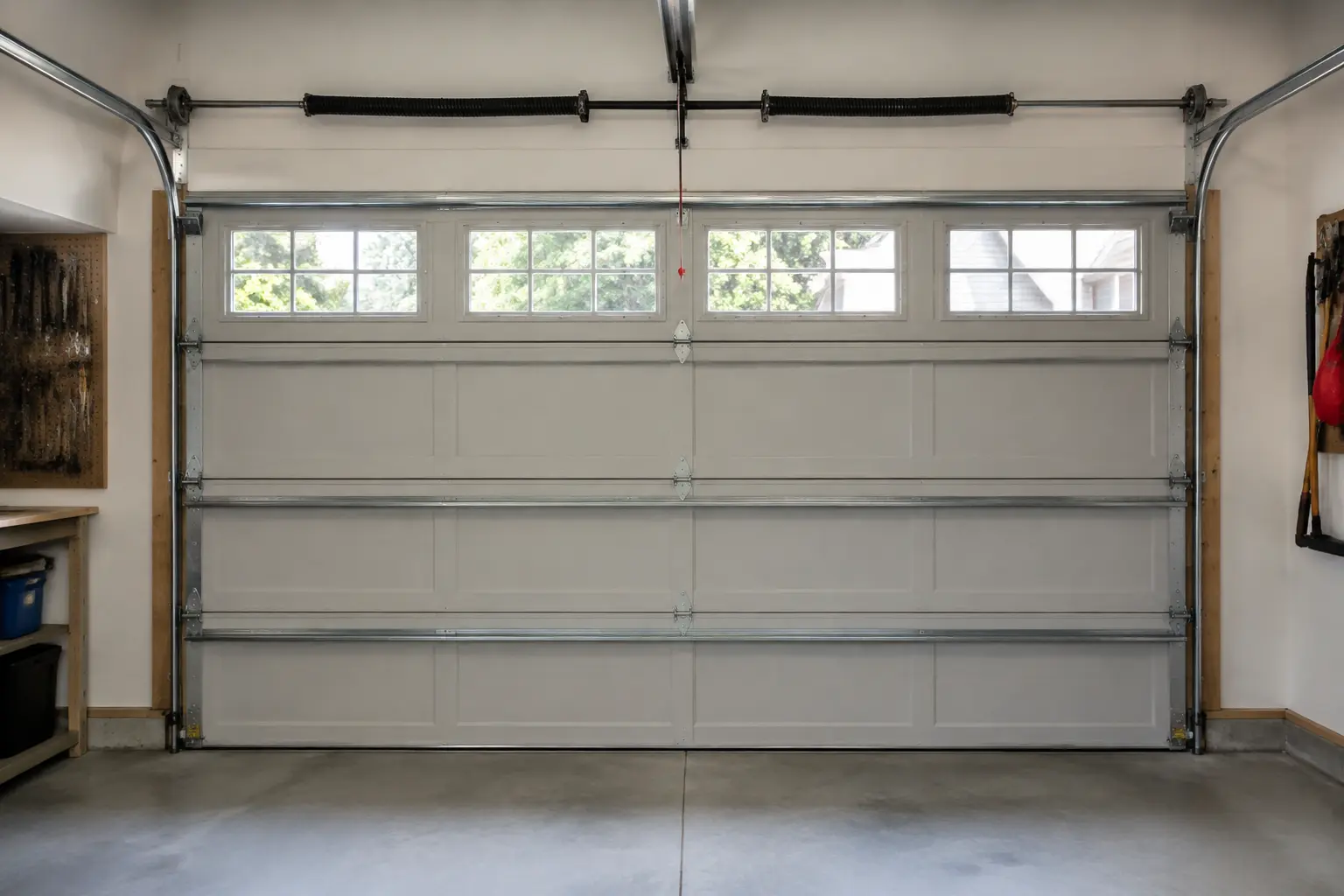
Why a Garage Door Can Look Level When Closed but Travel Crooked on the Tracks
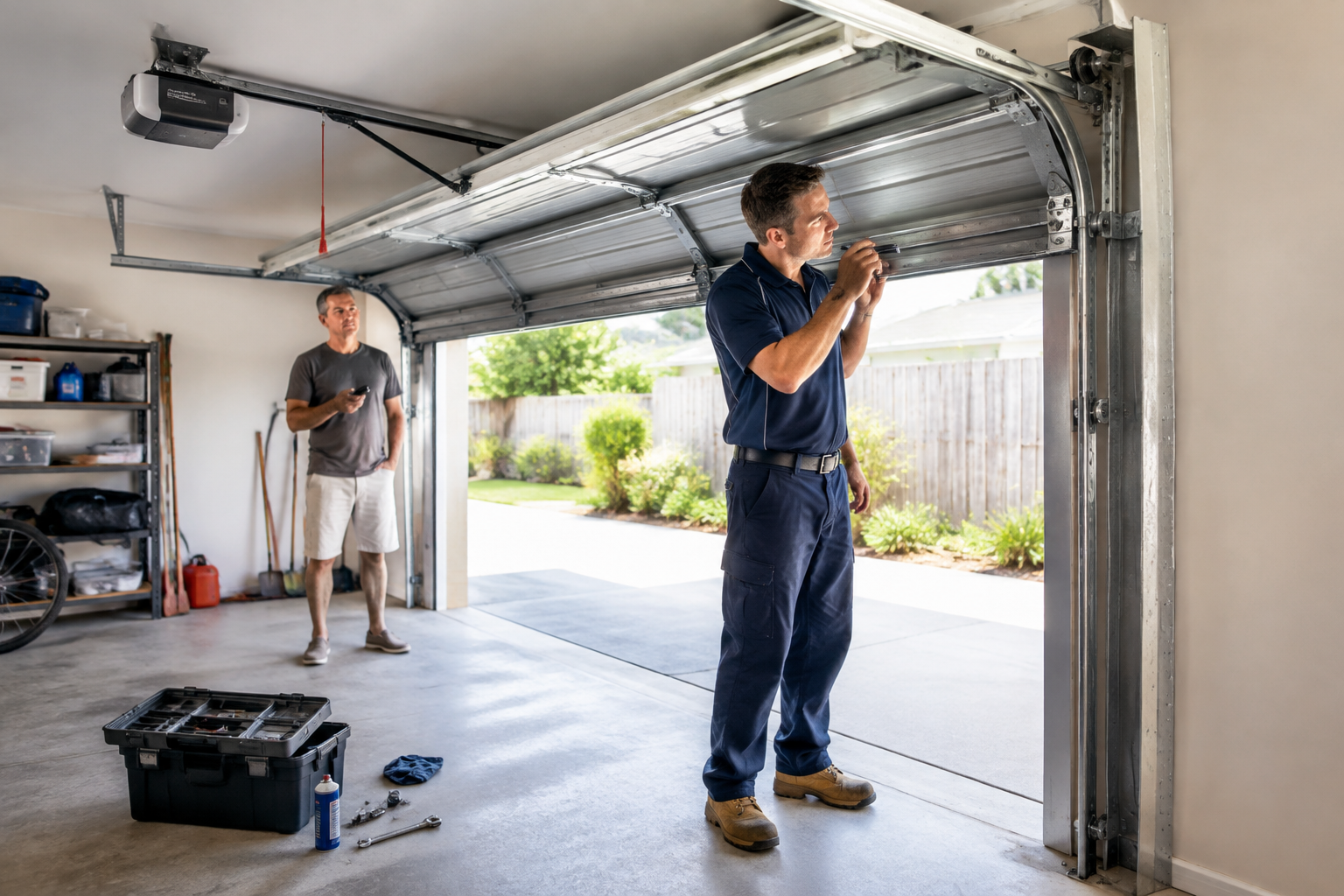
Garage Door Noises Decoded: What Grinding, Squeaking and Rattling Can Mean
Why Garage Door Safety Starts Before You Press the Remote


Follow our social


