Garage Door Maintenance Calendar: What to Check Each Season
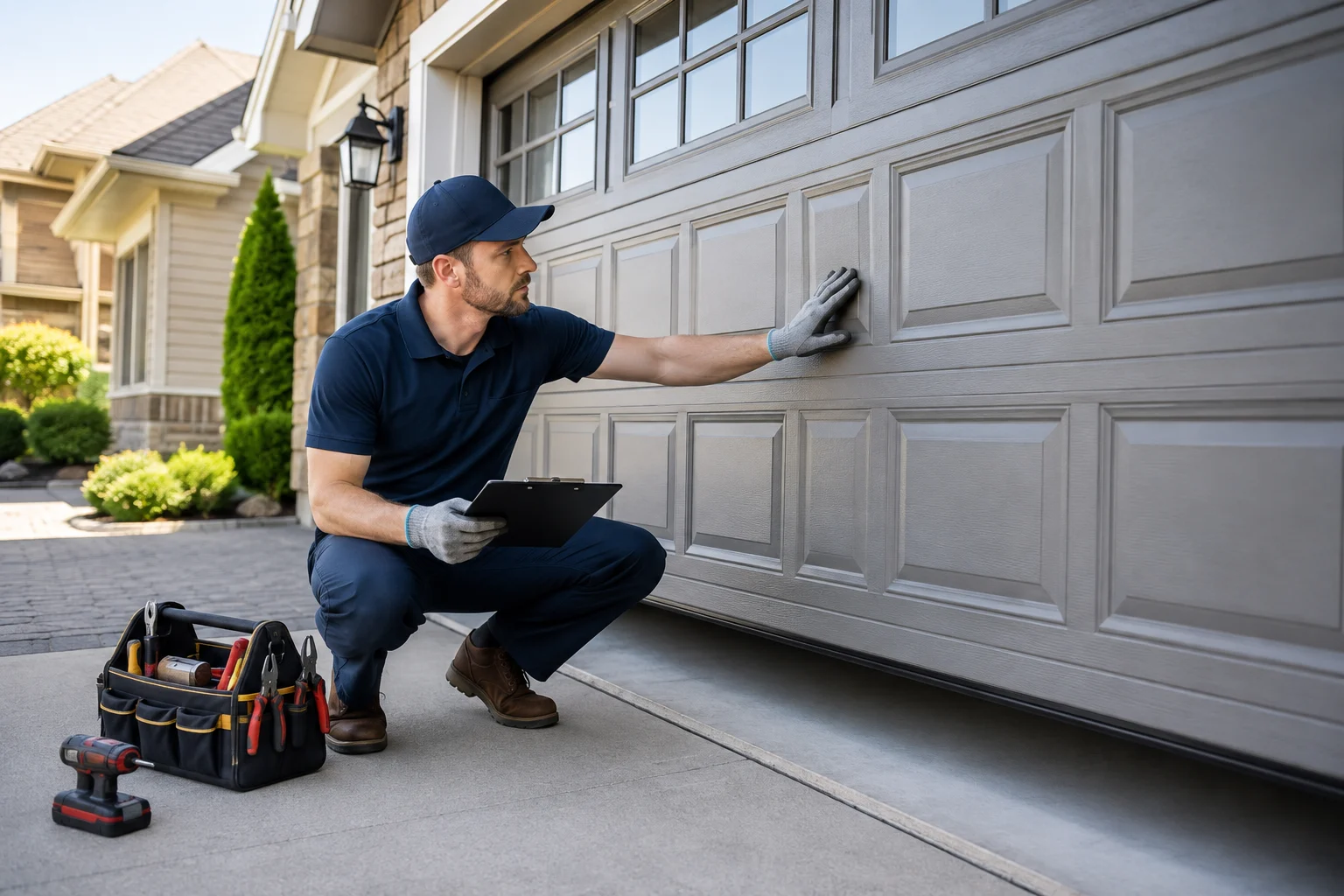
Garage Door Maintenance Calendar: What to Check Each Season
Most homeowners don’t think about garage door maintenance until something breaks. By then, you’re staring at emergency garage door repairs and a bill that could have been avoided with a simple seasonal check.
We’re Control Room. For over a decade, we’ve been fixing, installing, and maintaining panel lift garage doors across Brisbane suburbs like Wynnum, Ipswich, and North Lakes.
And we put this guide together to break down roller door tracks, garage door springs, weather seals, and safety testing season by season. You’ll also know when to call in service technicians instead of grabbing the toolbox.
Summer: Check Your Garage Door Opener and Roller Door Tracks
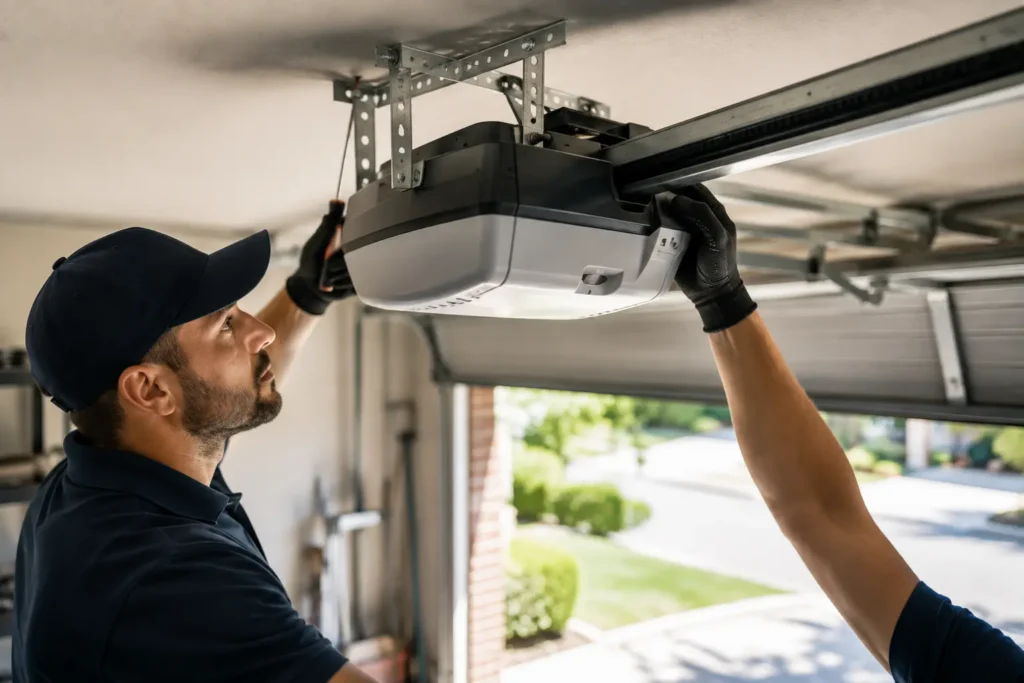
Brisbane summers regularly push past 35°C, and your garage door feels every degree of it. Heat forces metal to expand, which puts your roller door tracks, motor, and opener under extra stress.
Here’s what to run through before the worst of summer hits.
- Clean and Realign Tracks: Wipe down the tracks with a dry cloth and check that your rollers move freely without dragging. If the door pulls to one side, the tracks likely need realigning.
- Test Your Garage Door Opener: Your garage door opener’s motor has to push through higher operating temperatures during summer. Test it during the hottest part of the day and listen for anything unusual. A slow or jerky cycle is an early sign the motor needs servicing before it fails completely.
- Lubricate and Inspect Seals: Apply silicone-based lubricant to your hinges, rollers, springs, and cables. Then inspect the rubber weather seals along the bottom of the door. A $30 seal replacement now will protect your garage from water damage when the storms roll in.
Tick these three checks off in December, and your door won’t give you trouble through to March. Now, let’s look at what autumn throws your way.
Autumn Garage Door Service Before Brisbane’s Wet Season
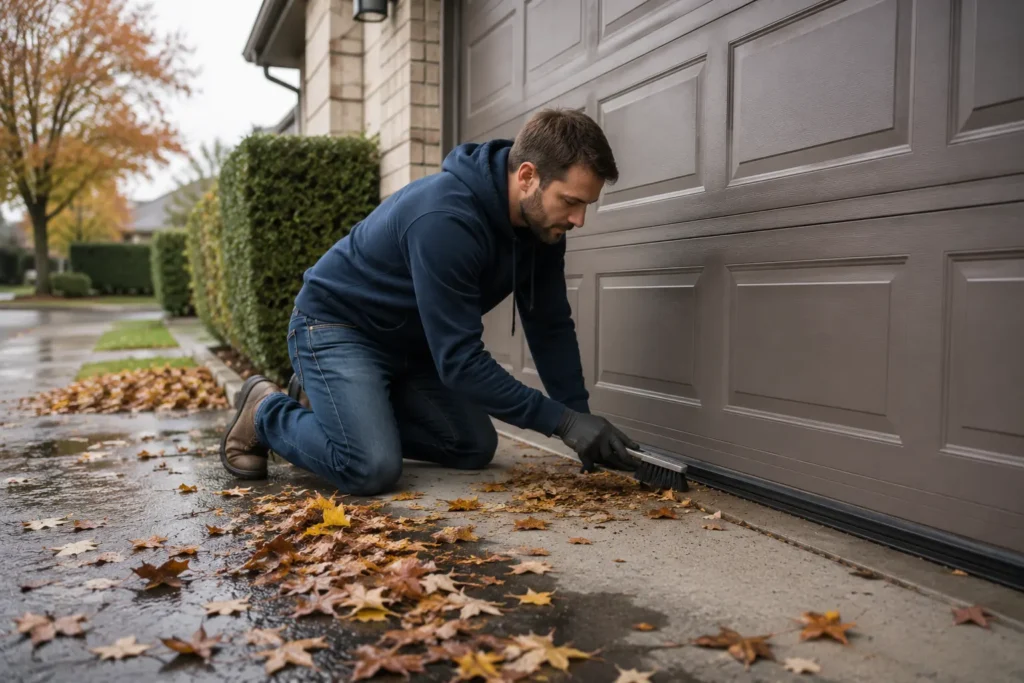
Here’s what we tell every homeowner before March rolls around. A quick autumn garage door service can protect your garage from water damage before the rain sets in.
So, start with your weather seals. Run your hand along the bottom of the door and feel for cracks or hardened rubber. Damaged seals let rainwater pool inside your garage, and within a few months that moisture rusts your tracks, rollers, and cables. If you’re noticing draughts elsewhere too, sealing draughts around doors and windows is worth doing at the same time.
After that, test your door’s balance. Disconnect the automatic opener and lift the door halfway by hand. If it doesn’t hold position, your springs are losing tension and will need a professional to adjust them. We’ve pulled out more broken springs during June and July than any other time of year. So getting this checked in autumn keeps you from facing a mid-winter emergency repair.
While you’re at it, clear any leaves and debris from your tracks. Check that drainage around the garage floor isn’t blocked either, because standing water warps the bottom panels and wears through seals.
Once your wet-season prep is sorted, the focus shifts to cold-weather wear.
How Cold Weather Causes a Broken Garage Door Spring
Believe it or not, Brisbane winters are enough to crack and fatigue your garage door springs. Lower temperatures make spring steel contract and lose flexibility, and that’s when snapping becomes an actual risk.
Watch for these warning signs between June and August.
- Listen for Unusual Sounds: Squeaking or grinding when the door opens is an early sign of spring fatigue. If your door sounds different than it did last season, the spring tension has likely shifted and needs adjusting.
- Test Your Cables and Motor: Cooler weather also tightens cables and puts extra load on your garage door motor. Run the door through a full open-close cycle with your remote control and watch for jerky movement. If the cycle isn’t smooth, a technician should look at both the cables and motor before anything snaps.
- Inspect Panel Lift Door Hinges: Panel lift garage doors have hinges that seize up during winter. If your inspections keep turning up the same issues, it might be time to decide when to repair vs replace your garage door.
A couple of quick inspections in June can save you from a broken spring callout in July, which typically costs $200 to $400 for parts and labour alone.
Now that your door has been through three seasons of wear, spring is the time for a thorough inspection of your panel lift garage doors.
Spring: Safety Testing Your Panel Lift Garage Doors
Spring is when you step back and audit the entire system at once, starting with two checks that deserve close attention.
Ideally, your auto-reverse function should force the door back up the moment it hits an obstruction (if the door doesn’t reverse on contact, stop using it until it’s fixed). And your photo-eye sensors need a wipe down, because dirt, cobwebs, and shifted brackets can cause the door to stay open or ignore the close command entirely.
Beyond those two, you should also do a visual inspection of your rollers, cables, and weatherstripping before summer rolls back around.
Use this quick-reference table to keep your garage door maintenance on track across all four seasons.
| Season | Top Tasks |
| Summer | Clean tracks, test opener and motor, lubricate moving parts, inspect seals |
| Autumn | Replace worn seals, balance test, clear debris from tracks |
| Winter | Listen for spring fatigue, check cables and motor, inspect hinges |
| Spring | Auto-reverse test, sensor check, inspect rollers, cables, springs, and weatherstripping |
Spread across four seasons, your total garage door service time comes to under an hour per year. And that small effort keeps emergency repair costs off your budget entirely.
When You Need Emergency Garage Door Repairs (Not DIY)
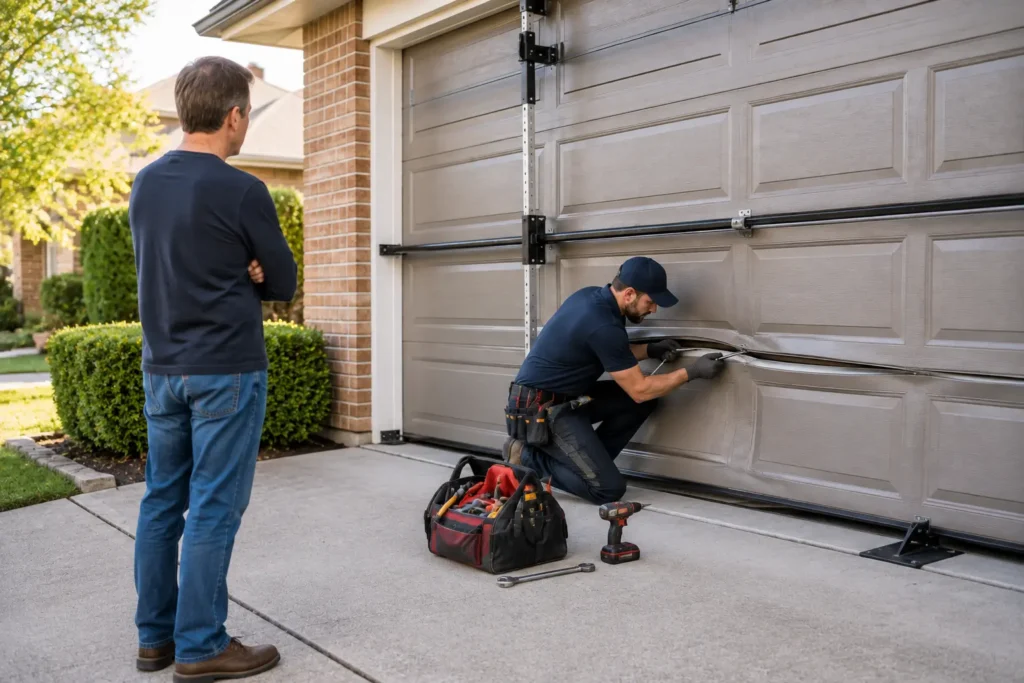
If your garage door won’t close, drops on its own, or has a snapped cable, call a technician immediately. A door that isn’t secured properly leaves your home, your car, and your family exposed.
These are the situations where you should pick up the phone straight away.
- Door Drops or Won’t Stay Open: A door that falls under its own weight points to broken springs or a failed cable (those springs carry enough force to break bones). Contact a professional service team straight away instead of trying to prop it open yourself.
- Opener Fails Mid-Cycle: If your automatic garage door opener stops halfway, the problem is often the motor, the remote control, or a stripped gear inside the unit. Don’t force it closed manually. That kind of pressure bends the tracks and causes further damage to the entire system.
- Loud Pop Followed by a Jam: A sharp pop or grinding noise right before a jam often points to a broken garage door spring or worn rollers. A service technician has the tools and training to handle the spring tension without injury, so let them take it from there.
Every one of these calls for a professional. If you’re still not sure whether it needs an emergency fix or a standard garage door service, ring your technician and describe what happened.
After Hours Garage Door Repairs and What Major Brands Offer
Garage doors don’t always break during business hours. A jammed door at 9 PM on a Tuesday is stressful, and most homeowners have no idea who to call. We’ve taken after-hours calls from Wynnum to North Lakes, and the first thing people say is “I didn’t even know this service existed.”
So it pays to sort out your options before you’re stuck. Most major brands offer after-hours callout services, but response times and fees vary. Some charge a flat fee, while others add a percentage on top of their standard garage door service rate. That’s why you should check whether your warranty covers emergency visits ahead of time.
Familiarise yourself with Australian consumer guarantees for repair services too, so you’re covered either way.
Your Year-Round Home Maintenance Checklist for Garage Doors
A seasonal garage door maintenance routine doesn’t take long, and it saves you from the stress and cost of emergency repairs. Even spending ten minutes per season on your springs, rollers, cables, and tracks helps you catch worn parts before they snap or seize up.
Your garage door isn’t the only thing that benefits from regular servicing either. Pair your garage door checklist with your broader home maintenance schedule to cover seals, drainage, and airflow across your whole home.
At Control Room, our team of expert technicians services panel lift garage doors across Brisbane every week. If your door is due for a seasonal check or you’ve noticed worn seals, unusual noises, or a sluggish opener, contact us for a stress-free quote.

Why Garage Door Balance Affects Your Opener, Cables and Everyday Reliability
Why Does My Garage Door Stop Halfway? 7 Places to Look for the Problem
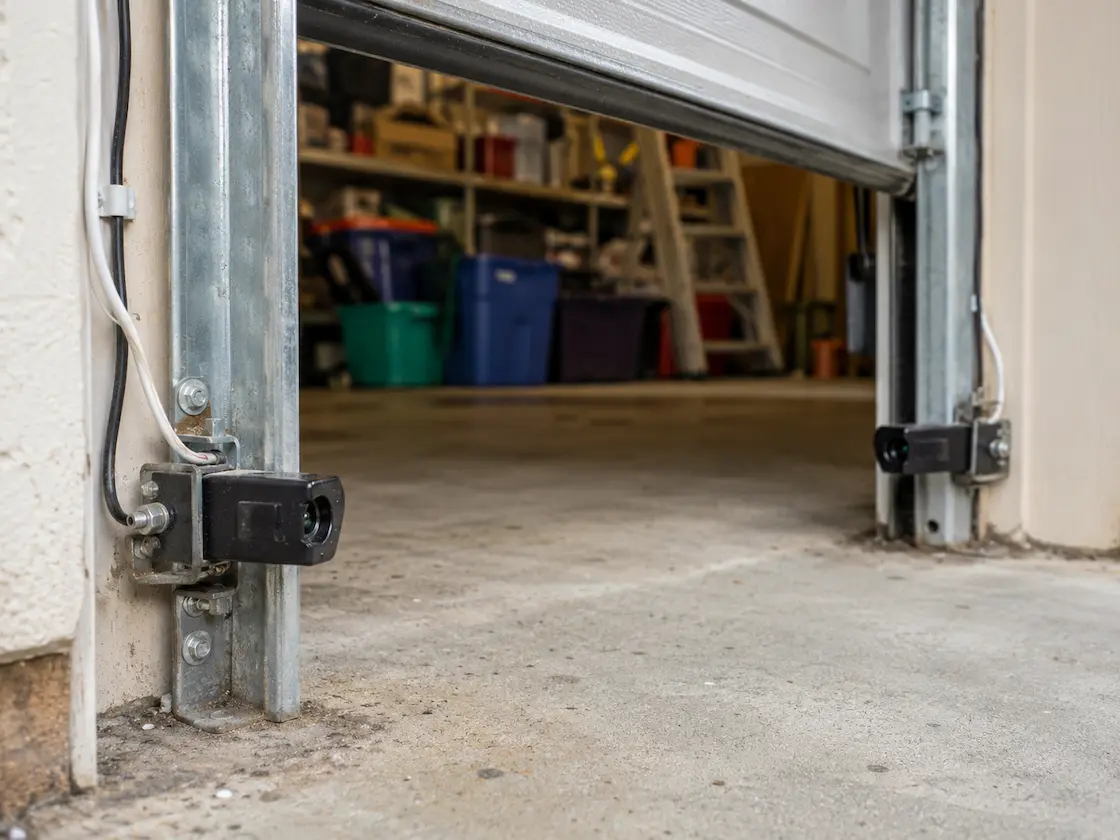
Why Garage Door Photo-Eye Sensors Fail Even When Nothing Is Blocking Them
Why a Garage Door Can Look Level When Closed but Travel Crooked on the Tracks
Garage Door Noises Decoded: What Grinding, Squeaking and Rattling Can Mean


Follow our social


